Life on the road isn’t just about delivering freight from point A to point B — it’s also about managing long hours, unpredictable schedules, traffic,…
Stress Management for Truck Drivers
Life on the road isn’t just about delivering freight from point A to point B — it’s also about managing long hours, unpredictable schedules, traffic, tight deadlines, and time away from home. All of this can build up and lead to serious stress. But with the right tools and mindset, truck drivers can take control of their mental and emotional well-being.
Here are some practical tips to help manage stress as a professional truck driver:
1. Create a Consistent Routine
Even if your schedule changes frequently, try to maintain small habits every day — like waking up at a consistent time, stretching, or taking short breaks during your shift. Small routines can provide a sense of structure and stability.
2. Stay Connected with Loved Ones
Being away from home can take an emotional toll. Schedule regular calls or video chats with family and friends. A simple check-in can go a long way in reducing feelings of isolation.
3. Eat Healthy, Whenever Possible
Fast food is convenient, but it often leads to fatigue and mood swings. Stock your cab with healthy snacks like fruits, nuts, or protein bars. Drinking plenty of water instead of sugary drinks can also improve your mood and focus.
4. Exercise on the Road
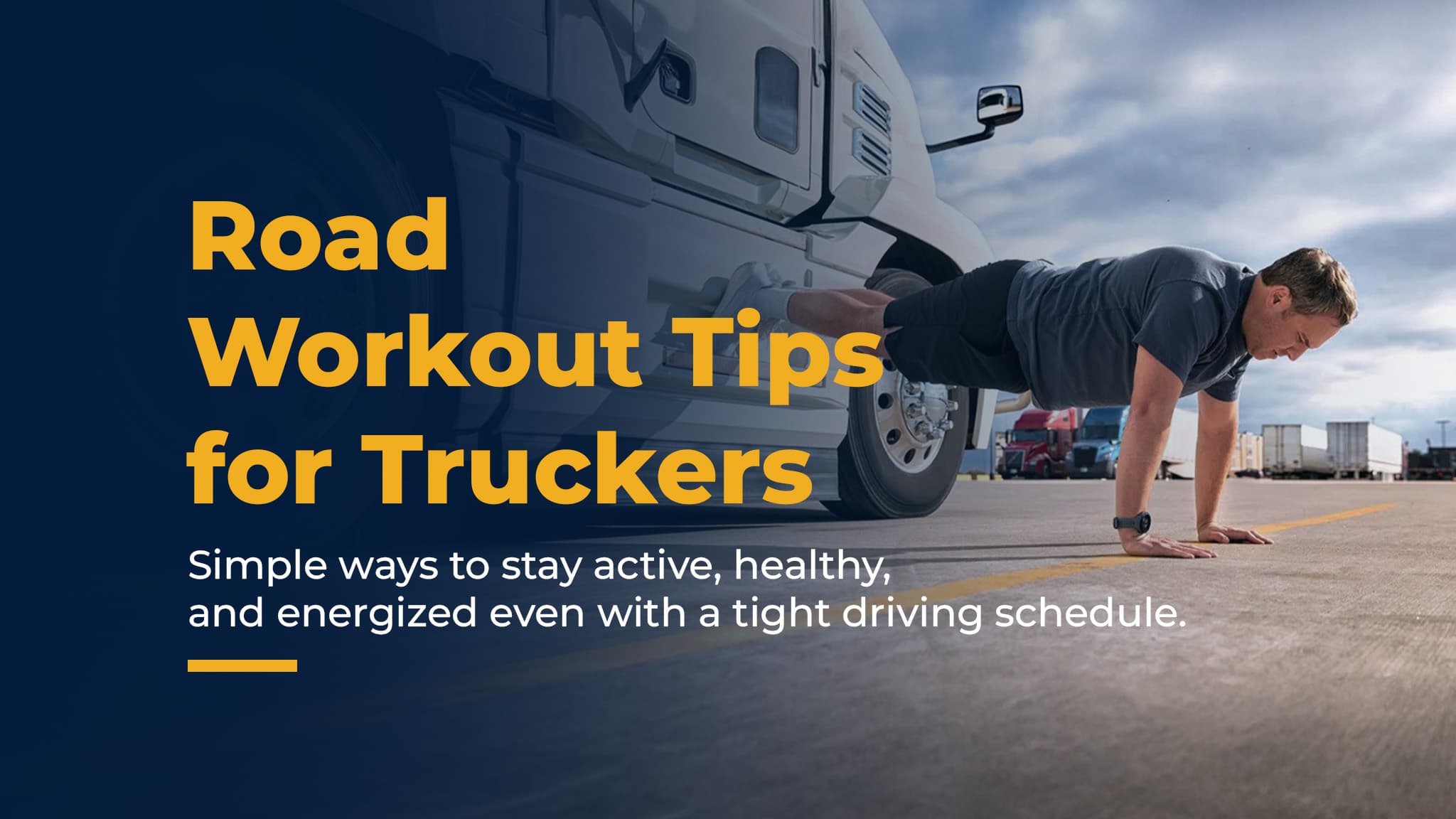
You don’t need a gym to stay active. A brisk walk around a rest stop, a few bodyweight exercises (like squats or push-ups), or even yoga in the cab can help reduce stress and improve your physical health.
5. Practice Mindfulness or Breathing Techniques
Apps like Headspace or Calm offer guided meditations that are perfect for short breaks. Even just a few minutes of deep breathing can lower your heart rate and help you reset.
6. Listen to What You Love
Whether it’s podcasts, audiobooks, or music, having something enjoyable to listen to can help make long drives more relaxing. Choose content that keeps your mind sharp or lifts your mood.
7. Get Quality Sleep
Fatigue is one of the top stressors for truckers. Make sure your sleeping space is dark, cool, and quiet. Use blackout curtains, earplugs, or white noise machines if needed.
8. Know When to Take a Break
Sometimes, pulling over and taking 10–15 minutes for yourself can make all the difference. Overworking leads to burnout. Respect your limits — and your logbook.
9. Talk to Other Drivers
You’re not alone in this. Chatting with other truckers at truck stops or on social media forums can help you share experiences, get advice, and build a sense of community.
Final Thoughts
Trucking is a demanding job — physically, mentally, and emotionally. But with the right habits, support, and mindset, it’s possible to stay healthy, focused, and positive behind the wheel. Prioritize your well-being, and you’ll not only drive better — you’ll live better.
- Morning (Start of Shift) — Activity: Light stretching or walk · Purpose: Loosen muscles, increase blood flow · Duration: 5–10 mins
- Before Driving — Activity: Quick breathing exercise or gratitude check-in · Purpose: Mental clarity, reduce tension · Duration: 2–5 mins
- Mid-Morning — Activity: Healthy snack & water break · Purpose: Maintain energy and hydration · Duration: 10 mins
- Around Lunch — Activity: Listen to podcast/music or call a loved one · Purpose: Relaxation and connection · Duration: 15–30 mins
- Afternoon Stop — Activity: Walk around rest stop or do basic bodyweight exercises (e.g., squats, lunges) · Purpose: Physical activity to break sedentary time · Duration: 10–15 mins
- Before Evening — Activity: Reflect on your day, short journaling or voice memo · Purpose: Emotional check-in, mental reset · Duration: 5–10 mins
- Evening (End of Shift) — Activity: Light stretching or guided meditation · Purpose: Wind down for better sleep · Duration: 10–15 mins
- Pre-Sleep — Activity: Avoid screens, make cab cool & dark · Purpose: Promote quality rest · Duration: —
Stay safe out there, drivers!
Cargo Runner Co
Written by the people who move America - 100+ trucks, 100 million miles, and a decade of lessons from the road.