Women are an essential part of the trucking industry, transporting goods across America and proving every day that the r…
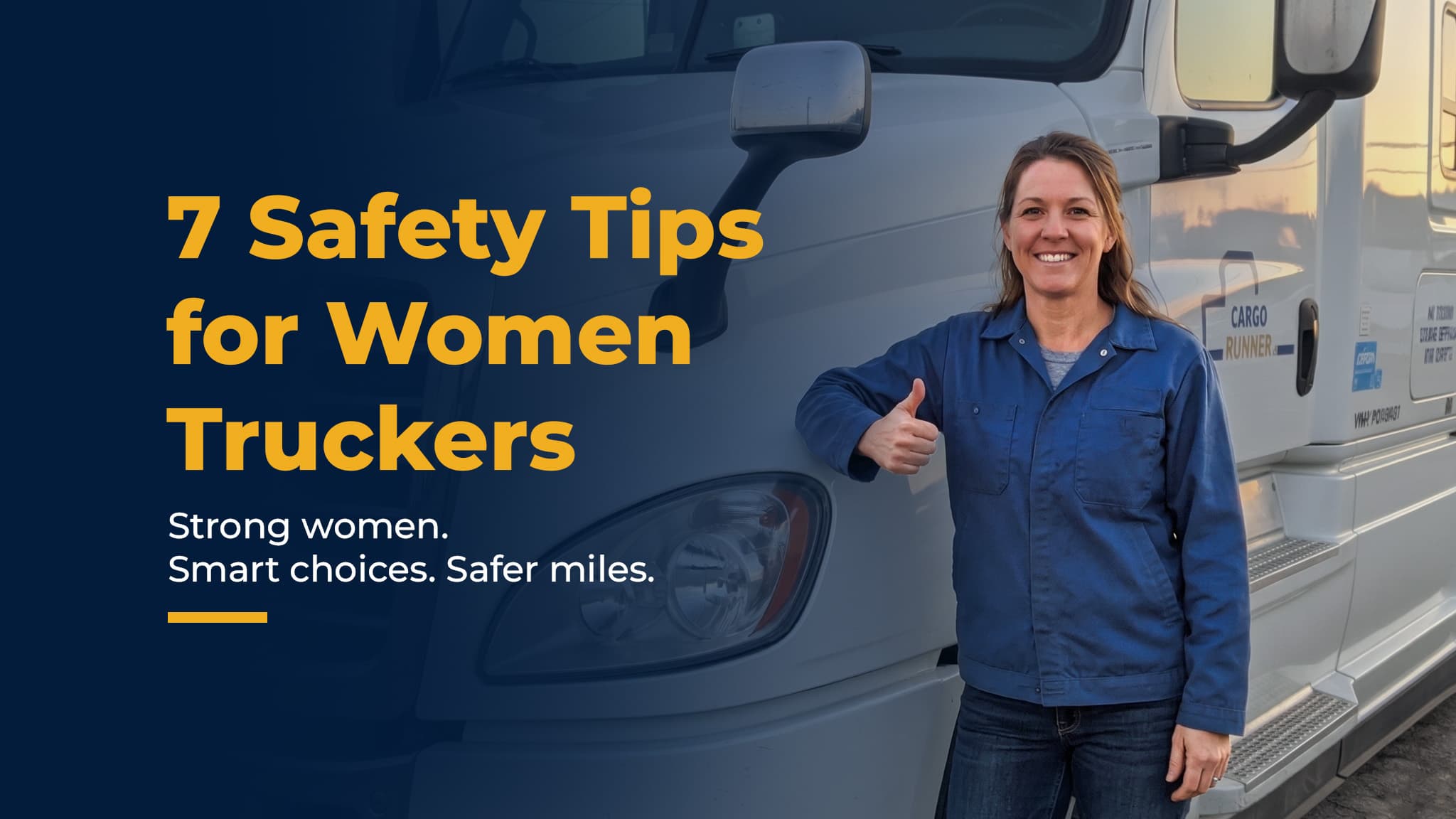
Women are an essential part of the trucking industry, transporting goods across America and proving every day that the road belongs to everyone. From long-haul journeys to overnight stops, women truck drivers keep the country moving while building rewarding, independent careers.
However, life on the road comes with unique safety challenges. Whether you're driving through unfamiliar areas, taking a break at a truck stop, or spending the night in your cab, being prepared can help you feel more secure and confident.
At Cargo Runner Co., we believe every driver deserves to feel safe, respected, and supported. Here are seven practical safety tips to help women truck drivers protect themselves and stay prepared throughout their journeys.
- 1Plan your stops ahead of time
A little planning can make a big difference when it comes to safety. Before starting your trip, identify suitable truck stops, rest areas, and overnight parking locations along your route.
Whenever possible, choose established locations with good lighting, visible security cameras, and regular staff or security patrols. Planning ahead also helps reduce the stress of searching for parking when you're tired or running short on available driving hours.
- 2Use technology to stay connected
Your smartphone can be one of your most useful safety tools on the road. Location-sharing features allow trusted family members or friends to know where you are, especially during long trips or overnight stops.
Consider using apps that offer emergency alerts, location sharing, and navigation assistance. Keep your phone charged and easily accessible, and carry a charging cable or portable power bank as a backup.
It's also a good idea to establish regular check-ins with someone you trust. Let them know your general route and when you expect to arrive at your destination.
Why it matters: Staying connected provides an additional layer of security and helps loved ones know when something may be wrong.
- 3Choose your parking spot wisely
Where you park can have a significant impact on your personal safety. When stopping for the night, look for designated truck parking areas that are well-lit, maintained, and reasonably close to other people or security facilities.
Whenever possible, avoid isolated areas or locations where your truck could be blocked in. Follow the facility's parking rules and make sure your vehicle is positioned so you can leave safely if necessary.
Here are a few parking habits to remember:
- Choose well-lit spaces near truck stop facilities or visible security cameras.
- Lock your doors and secure your windows whenever you're inside the cab.
- Keep your keys, phone, and flashlight within easy reach.
- Check your surroundings before exiting the truck.
- If a location makes you uncomfortable, consider moving to a safer, more populated place.
Remember: Never feel obligated to stay in a parking spot that doesn't feel safe. Your well-being comes before convenience.
- 4Stay aware of your surroundings
Situational awareness is an important part of staying safe as a professional driver. Pay attention to people, vehicles, and activities around your truck, particularly when arriving at an unfamiliar location or returning to your cab after dark.
Before opening your door, take a moment to check the surrounding area. Avoid distractions when walking through parking lots, and keep personal belongings secured.
When resting inside your truck, lock the doors and follow safe vehicle-security practices. If someone approaches you in a way that makes you uncomfortable, you don't have to engage in conversation or explain yourself.
Pro tip: Trust your instincts. If something doesn't feel right, move to a safer location when possible and contact facility security or law enforcement if needed.
- 5Protect your personal information
Professional drivers frequently interact with people at fuel stations, loading docks, truck stops, and delivery locations. Being friendly is part of the job, but protecting your privacy is equally important.
Avoid sharing unnecessary personal details with strangers, including your home address, regular routes, overnight parking habits, or when you'll be traveling alone. Be mindful of what you post on social media, especially when sharing your live location or photos that reveal your current surroundings.
You should also be cautious about unfamiliar links, messages, and requests for personal or financial information.
Why it matters: Limiting publicly available personal information can help reduce unwanted attention and protect your privacy both on and off the road.
- 6Know when and how to ask for help
No driver should feel that they have to handle an uncomfortable or dangerous situation alone. If you notice suspicious activity, experience harassment, or feel threatened, prioritize getting to a safe place.
Depending on the situation, contact truck stop management, security personnel, your dispatcher, or local law enforcement. In an immediate emergency, call 911 in the United States.
It's also helpful to know your company's procedures for reporting safety concerns and emergencies before you begin your trip.
Keep important contact numbers saved in your phone, including emergency contacts and your company's support team.
Remember: Reporting a safety concern is not an overreaction. Speaking up can help protect you and other drivers.
- 7Build a strong support network
Long-haul trucking can sometimes feel isolating, especially when you're spending days or weeks away from home. Having people you can rely on can make a real difference in your confidence and peace of mind.
Stay connected with family and friends, develop positive relationships with fellow drivers, and consider joining professional communities for women in trucking. These networks can provide practical advice, encouragement, and opportunities to learn from other drivers' experiences.
It's also important to work with a company that takes driver safety seriously, respects your concerns, and provides clear communication when you need support.
Pro tip: Look for professional trucking communities where drivers can exchange safety advice, discuss workplace challenges, and support one another without judgment.
Final Thoughts: Your safety always comes first
Being a woman in trucking means taking pride in your independence, professional skills, and the important role you play in keeping America moving. Staying safe doesn't mean being afraid of the road. It means being prepared, trusting your judgment, and knowing what resources are available when you need them.
From planning your stops and securing your truck to staying connected and building a reliable support network, small habits can help make every journey more secure.
At Cargo Runner Co., we know that professional drivers deserve more than just miles and loads. They deserve respect, reliable communication, and a team that understands the demands of life on the road.
Whether you're an experienced driver or considering a career in trucking, remember this: Your safety matters. Your experience matters. And you deserve a company that respects both.
Looking for your next opportunity on the road? Explore driving opportunities with Cargo Runner Co. and discover a team committed to supporting drivers across the country.
Cargo Runner Co
Written by the people who move America - 100+ trucks, 100 million miles, and a decade of lessons from the road.